
Accelerate: Social Skills Group
Structured, Play-Based Social Learning for Children Ages 4-6 and 7-9.
At Accelerate, we believe social growth deserves the same intentional, evidence-based approach as academic and behavioral support, and that meaningful learning for young children should feel engaging, active, and joyful.
Which is why we’ve launched our Social Skills Group: a structured, play-based small group designed for children ages 4-6 and 7-9 who benefit from guided support in building flexibility, confidence, and positive peer interactions.
This program reflects our core values: individualized attention, evidence-based practice, collaboration with families, whole-child development- and genuine joy in the learning process.
Why Social Skills Matter Early
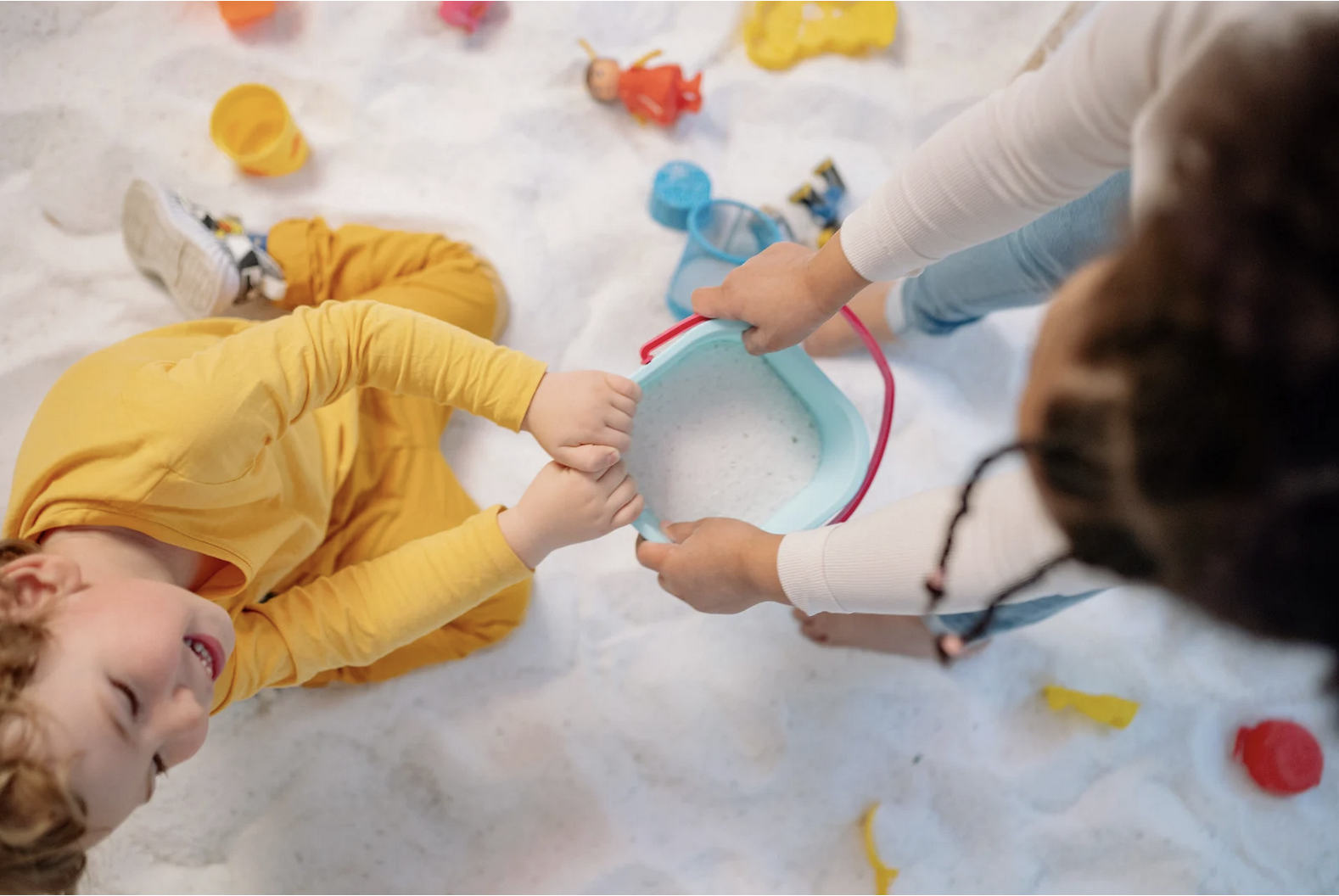
Children in early childhood are still learning how to:
Manage big emotions
Tolerate frustration
Wait and take turns
Join peers in play
Stay engaged when tasks feel challenging
For some children- including those with ADHD, autism, anxiety, or emerging regulation challenges- these skills do not develop automatically. They require direct teaching, structured practice, and supportive coaching.
But for young children, growth happens best through play. When learning feels safe and enjoyable, children are more willing to try again, be brave, and stay engaged, even when something feels hard.
That is exactly what this group provides.

What Makes Our Group Different
This is not unstructured, free play.
Skills are explicitly taught, modeled, and practiced in a small-group format that allows for individualized coaching while maintaining meaningful peer interaction.
At the same time, sessions are active, interactive, and engaging. Children move, build, pretend, laugh, and practice, all within a thoughtfully structured framework.
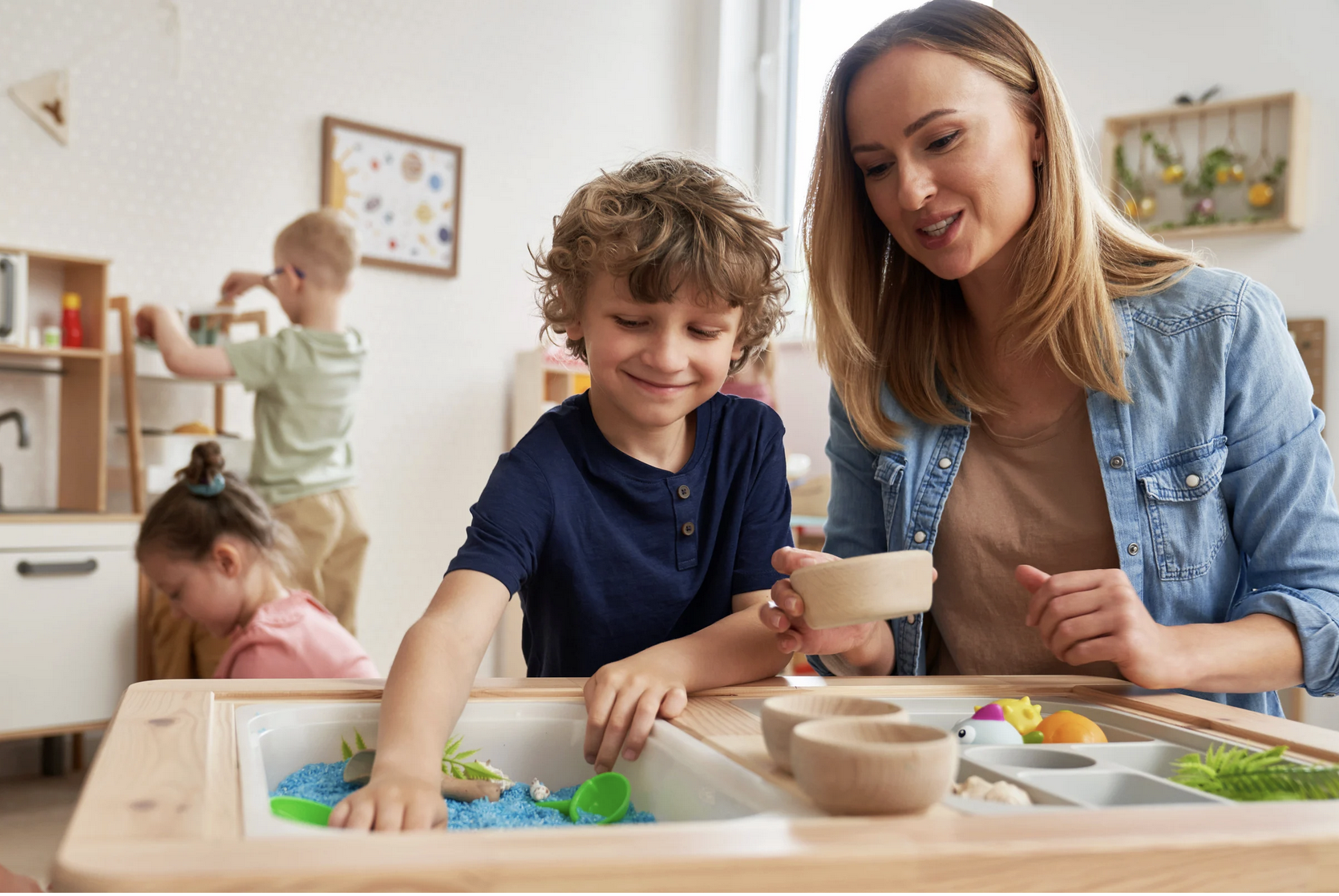
Our approach integrates:
Evidence-based behavioral principles
Developmentally appropriate emotional regulation strategies
Age-adapted Acceptance and Commitment Therapy (ACT), developed by Steven C. Hayes
Children are introduced to simple, repeatable concepts such as:
All feelings are allowed
Thoughts are not in charge
We can be brave and kind even when it feels uncomfortable
These ideas are presented in concrete, child-friendly language and practiced through games, role-play, movement activities, and guided peer interaction. That way skills are not just understood but experienced, and families are able to reinforce at home.
What Children Will Practice
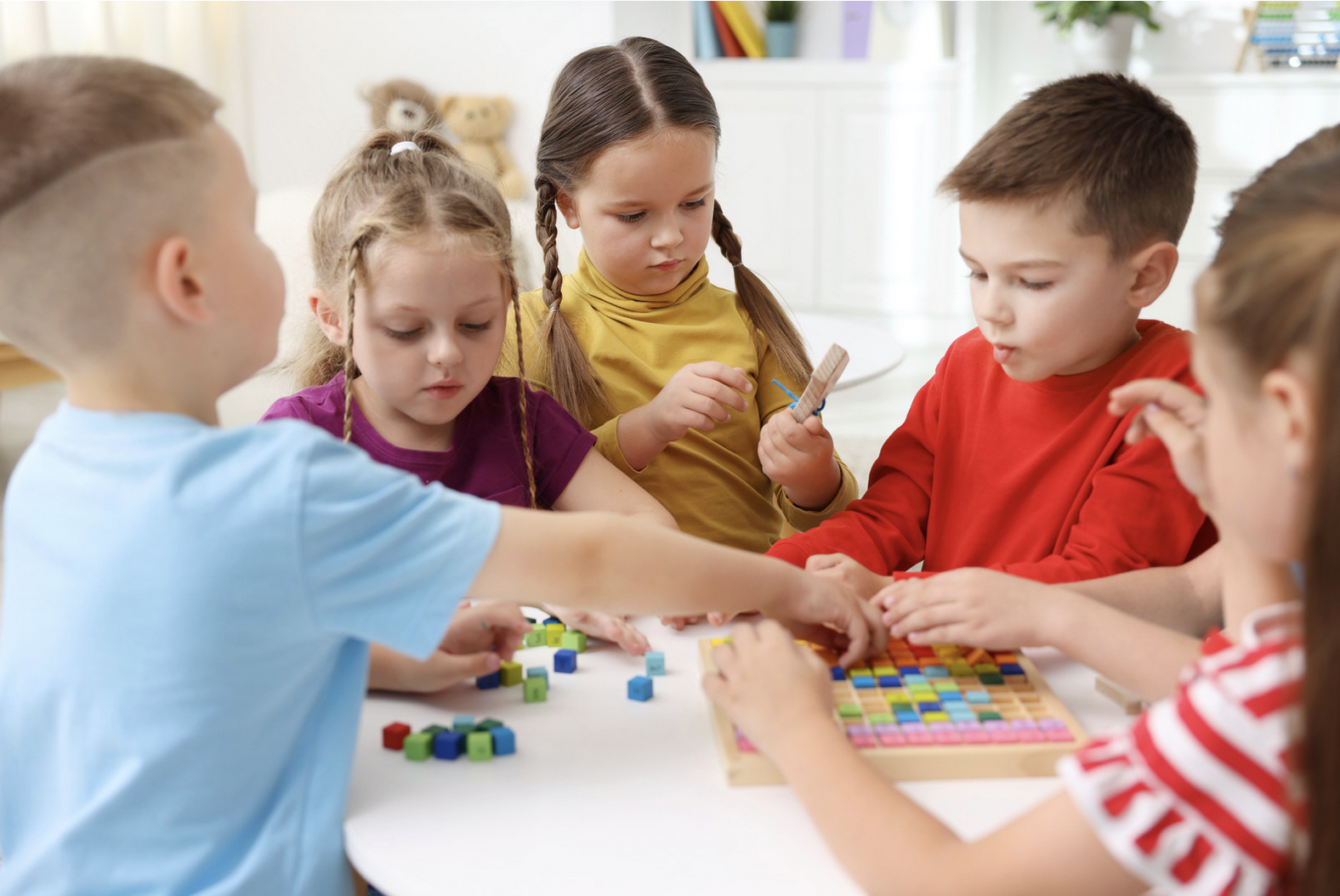
Participants will actively work on:
Sharing and taking turns- even when it feels hard
Managing frustration using safe hands and safe words
Joining play and inviting peers to participate
Staying with a task when their brain says “I don’t want to”
Handling big feelings without escalating behaviors
Each skill is broken down, modeled, and rehearsed through guided activities.
What a 45-Minute Session Includes
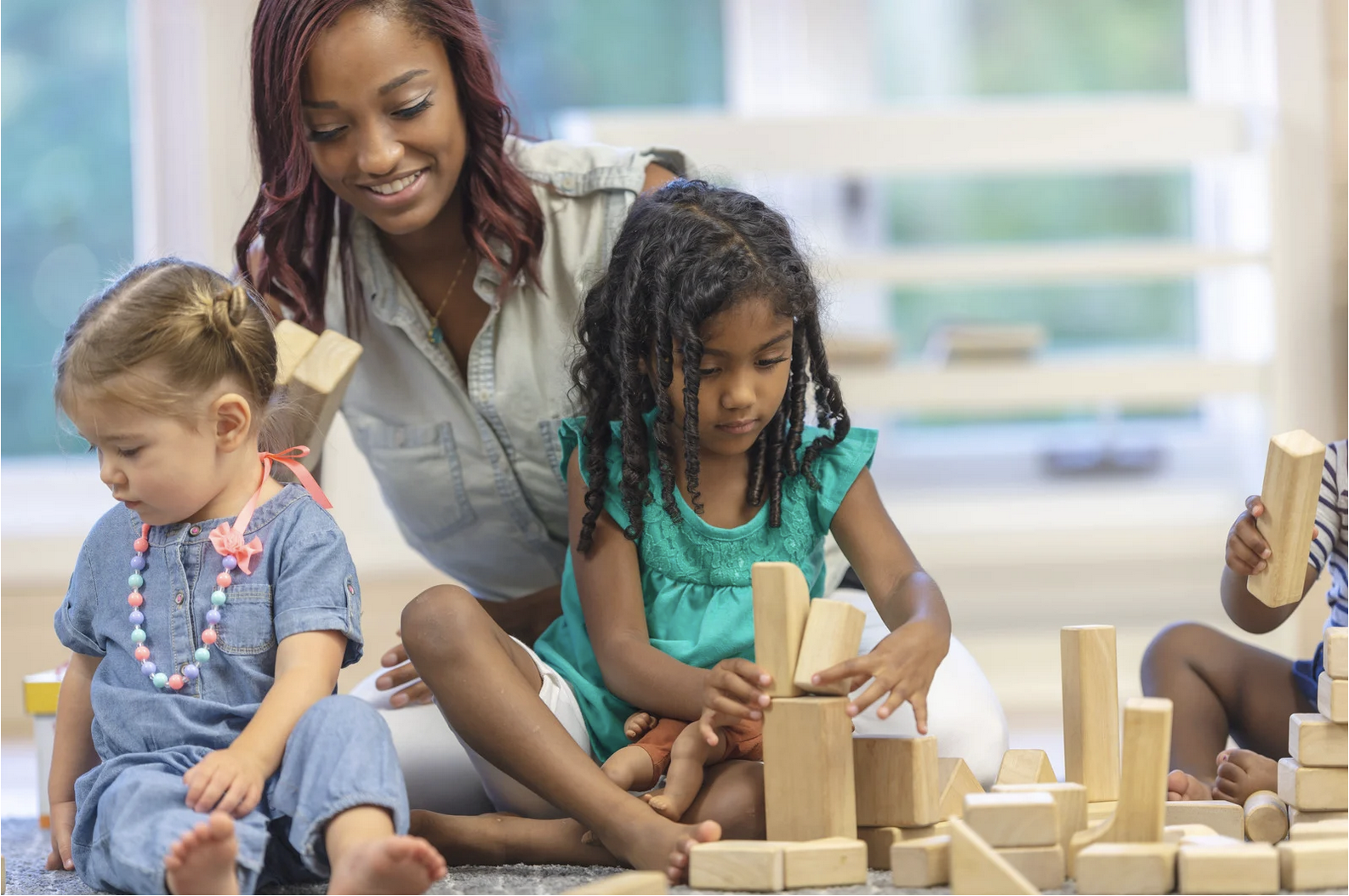
Every session is structured, purposeful, and lively.
Components include:
Cooperative games that require teamwork and shared problem-solving
Structured pretend play to practice joining, initiating, and flexible thinking
Crafts or collaborative challenges that build patience and persistence
Turn-taking and flexibility activities woven naturally into group tasks
Movement-based regulation exercises to support body awareness and self-control
Guided emotional awareness activities that build feeling identification and expression
Structured peer interaction practice with active facilitation
Real-time coaching and reinforcement to strengthen emerging skills
Children are supported in real time, celebrated for effort, and encouraged to try again when something feels tricky.
No one is sitting for long periods. They are moving, interacting, practicing, and building confidence in a predictable, supportive environment.
Who May Benefit
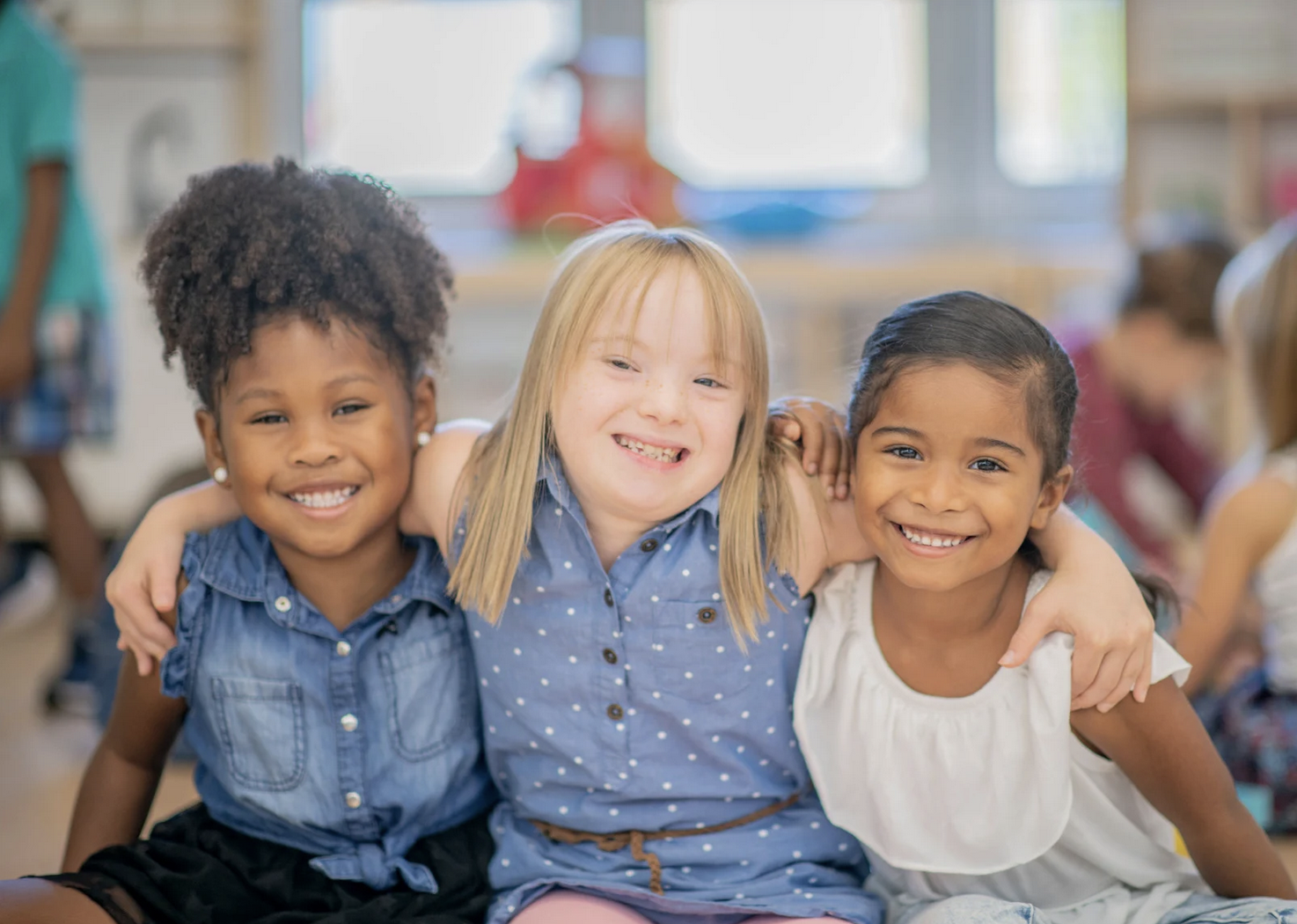
This group may be a good fit for children who:
Struggle with sharing or waiting
Become easily frustrated
Avoid peers or appear socially hesitant
Have difficulty recovering from disappointment
Need support with emotional regulation
Have ADHD, autism, anxiety, or benefit from additional structured social learning
Children do not need a diagnosis to participate. They simply need an environment where skills are taught clearly and practiced consistently, with encouragement and joy.
If a child requires more intensive clinical intervention, our team can also discuss individualized ABA or related services.
Ready to Get Started?
Early social skill development shapes classroom success, peer relationships, and long-term confidence. If you are noticing challenges now, waiting rarely makes them disappear. Direct teaching, structured practice, and positive peer experiences make the difference.
Most importantly, children leave sessions feeling successful. They experience what it feels like to try something hard, stay with it, and enjoy connecting with others.
Enrollment is limited to preserve the quality of individualized support within the group.
Complete the Interest Form Today:
After submission, our team will promptly review your inquiry and contact you with next steps, scheduling details, and enrollment information.
If you are unsure whether this group is the right fit, submit the form anyway. We will provide clear guidance and, if needed, recommend the most appropriate level of support for your child.
Spots are filled on a first-come basis.